
"washed and natural process"
5000 article(s) found

Coffee from Enbu, Kenya introduces the northernmost Kathangariri of Kenya to Kay San Garry.
Professional coffee knowledge exchange more coffee bean information please pay attention to coffee workshop (Wechat official account cafe_style) Origin: Kenya Manor name: Kenya Embu production area Kay Sengali treatment Plant AA treatment: Kenyan washed beans: 100% Arabica SL28 SL34 flavor: green plum red grapefruit willow black currant acid unrestrained structure solid fresh coconut
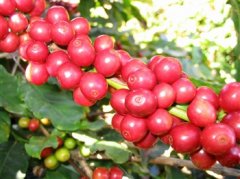
How to treat fresh coffee fruit into raw coffee beans?
The variety of coffee treated with raw beans certainly determines the natural flavor, but the treatment of raw beans determines the acquired quality. Selected coffee attaches great importance to flavor and quality, so it pays special attention to the technology and details of processing. Harvest: the harvest method is one of the criteria for judging selected coffee. if calculated from the time of germination, Arabica coffee will take about 5 years to blossom and bear fruit. Brazil
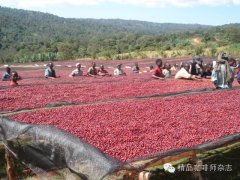
Detailed explanation of sun, half-sun, water washing and honey treatment of coffee beans
In recent years, with the continuous popularity of boutique coffee, new occupations: roaster and cup tester have become popular in the industry, and coffee roasting has also become the preferred way for some baristas and enthusiasts to start a business. there are many factors that determine its taste, the variety of coffee trees, the way coffee beans are handled, the local conditions in which the tree grows, and even related to the tree.

The technique of treating fresh Coffee fruits into Coffee Raw beans
The variety of coffee treated with raw beans certainly determines the natural flavor, but the treatment of raw beans determines the acquired quality. Selected coffee attaches great importance to flavor and quality, so it pays special attention to the technology and details of processing. Harvest: the harvest method is one of the criteria for judging selected coffee. if calculated from the time of germination, Arabica coffee will take about 5 years to blossom and bear fruit. Brazil
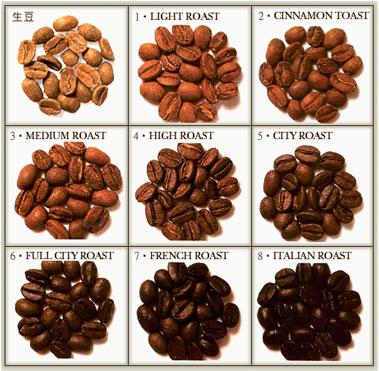
Natural fermented Ethiopian coffee flavor, characteristics, taste and estate
Ethiopia is blessed with natural conditions for growing all conceivable varieties of coffee. Ethiopia's coffee beans are mainly grown as highland crops in areas with altitudes of 1100-2300 meters above sea level, roughly distributed in southern Ethiopia. Deep soil, well-drained soil, weakly acidic soil, laterite and soft soil containing

Introduction of Brazilian coffee beans description of taste and flavor of different treatments of Brazilian coffee beans
Professional coffee knowledge exchange more coffee bean information please follow the coffee workshop (Wechat official account cafe_style) as Brazil is located in the tropical rain forest region, the terrain is relatively flat with few high-altitude mountain forests, most coffee is grown in low-altitude non-volcanic soil areas, and there is not much shade for shade, resulting in the rapid growth rate of Brazilian beans, large beans but dense coffee.
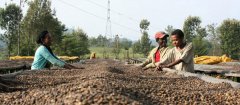
Flavor, characteristics, taste and manor introduction of naturally fermented Ethiopian coffee
Ethiopia has unique natural conditions suitable for growing all imaginable varieties of coffee. As a upland crop, Ethiopian coffee beans are mainly grown in areas between 1100 and 2300 meters above sea level, roughly distributed in southern Ethiopia. Deep soil, well drained soil, weakly acidic soil, laterite and soil are soft and contain

Coffee common sense how to treat fresh coffee fruit into coffee raw beans?
The variety of coffee treated with raw beans certainly determines the natural flavor, but the treatment of raw beans determines the acquired quality. Selected coffee attaches great importance to flavor and quality, so it pays special attention to the technology and details of processing. Harvest: the harvest method is one of the criteria for judging selected coffee. if calculated from the time of germination, Arabica coffee will take about 5 years to blossom and bear fruit. Brazil

Introduction to the process of harvesting, production and processing from fruit to coffee bean
Treatment method 2 washing treatment method-1 washing and separating coffee beans: put the picked fresh coffee fruit into a pool to wash, separate the ripe fruit from the leaves, sundries, immature fruit and overripe fruit floating on the surface-2 remove the peel and pulp: the washed fresh coffee fruit is put into the peeling machine to remove the peel washing treatment method-3
Natural fermentation and Solar Ethiopian Coffee Flavor, characteristics, texture and Manor introduction
Ethiopia has unique natural conditions suitable for growing all imaginable varieties of coffee. As a upland crop, Ethiopian coffee beans are mainly grown in areas between 1100 and 2300 meters above sea level, roughly distributed in southern Ethiopia. Deep soil, well drained soil, weakly acidic soil, laterite and soil are soft and contain

Natural fermented and mellow Ethiopian coffee flavor, characteristics, taste and manor introduction
Ethiopia has unique natural conditions suitable for growing all imaginable varieties of coffee. As a upland crop, Ethiopian coffee beans are mainly grown in areas between 1100 and 2300 meters above sea level, roughly distributed in southern Ethiopia. Deep soil, well drained soil, weakly acidic soil, laterite and soil are soft and contain
With unique natural conditions, Ethiopian coffee flavor, characteristics, taste and manor introduction
Ethiopia has unique natural conditions suitable for growing all imaginable varieties of coffee. As a upland crop, Ethiopian coffee beans are mainly grown in areas between 1100 and 2300 meters above sea level, roughly distributed in southern Ethiopia. Deep soil, well drained soil, weakly acidic soil, laterite and soil are soft and contain

Introduction of flavor and taste in the treatment of washed coffee and sun-cured coffee honey
Introduction to the flavor and taste of water-washed coffee and sun-dried coffee honey there is also a semi-washing method for the treatment of coffee berries. This method is developed on the basis of washing. The first step is the same as washing. When the fruit turns red, it is picked and put into the pool. The immature fruit floats and the ripe coffee fruit sinks. Remove immature coffee in this way

Analysis of Coffee Bean treatment process Coffee bean drying method and washing method
1. Peeling removes the peel and most of the flesh by mechanical or manual means. two。 Fermentation removes the mucus and film from the core by fermentation. as the length of fermentation time will affect the flavor of coffee, each manufacturer has its own fermentation time. 3. The drying method is mainly divided into natural sun drying and natural air drying. Excessive water content can easily lead to mildew and insect growth of raw coffee beans.

What's the difference in the taste of Yega Chuefei between washing and tanning?
Professional coffee knowledge exchange more information about coffee beans Please pay attention to the coffee workshop (Wechat official account cafe_style) what is the difference in the taste of Yejia Xuefei between washing and tanning? Distinguish between one and two different methods of processing raw beans: the coffee beans after harvest must immediately enter the treatment program, otherwise they will begin to ferment and produce a peculiar smell. The methods of treatment include solarization and

Coffee Bean Processing
After the plantation and harvest of the estate, the next step is the most important step besides the variety and planting area: "post-processing method." At present, most of the treatment methods are sun, semi-washing, water-based, and there are several special treatment methods: honey treatment, in vivo treatment, etc. There are also many people sharing these treatments on the Internet.

Introduction to the flavor and taste of Ethiopian coffee beans grade classification of Ethiopian Sidamo coffee beans
Ethiopia has unique natural conditions suitable for growing all imaginable varieties of coffee. As a upland crop, Ethiopian coffee beans are mainly grown in areas between 1100 and 2300 meters above sea level, roughly distributed in southern Ethiopia. Deep soil, row

Tanzania Mbeya region| Sangura Sangura Processing Plant Washed Red Bourbon Flavor and Brewing
Professional coffee knowledge exchange More coffee bean information Please pay attention to coffee workshop (Weixin Official Accounts cafe_style) Tanzania Mbeya production area| Sangura Sangura Treatment Plant Washed Red Bourbon Flavor and Brewing Reference? Tanzanian coffee is characteristic of Central/East African washed beans with bright acidity and intense flavor. Although Kenya is known for its superior coffee,

Tanzania Coffee Sangula, Tanzania Coffee Bean Flavor Coffee Bean
For more information on coffee beans, please follow the coffee workshop (Wechat official account cafe_style) Sangula Sungura, Tanzania. This is the second year that Gardelli has purchased coffee from the Sangula Mubochi Coffee processing Plant (Sungura Mbozi CPU;Coffee Processing Unit). The quality is quite consistent and bright, full of sweetness. Tanzanian coffee